Nogales

CountryColombia
RegionBruselas, Huila
FarmNogales
Altitude1 600 – 2 000 m
Size of the farm43 ha
The story of Nogales began three generations ago on a small, two-hectare farm in the mountains of Bruselas, Pitalito. It was hard work for Don Ricaurte Hernández and Doña Suldery as they raised their eight children on the land. Despite the daily challenges, Don Ricaurte was a naturally talented farmer. In 2005, he won Colombia’s very first national Cup of Excellence competition, a historic moment that put his small farming community firmly on the global specialty coffee map.
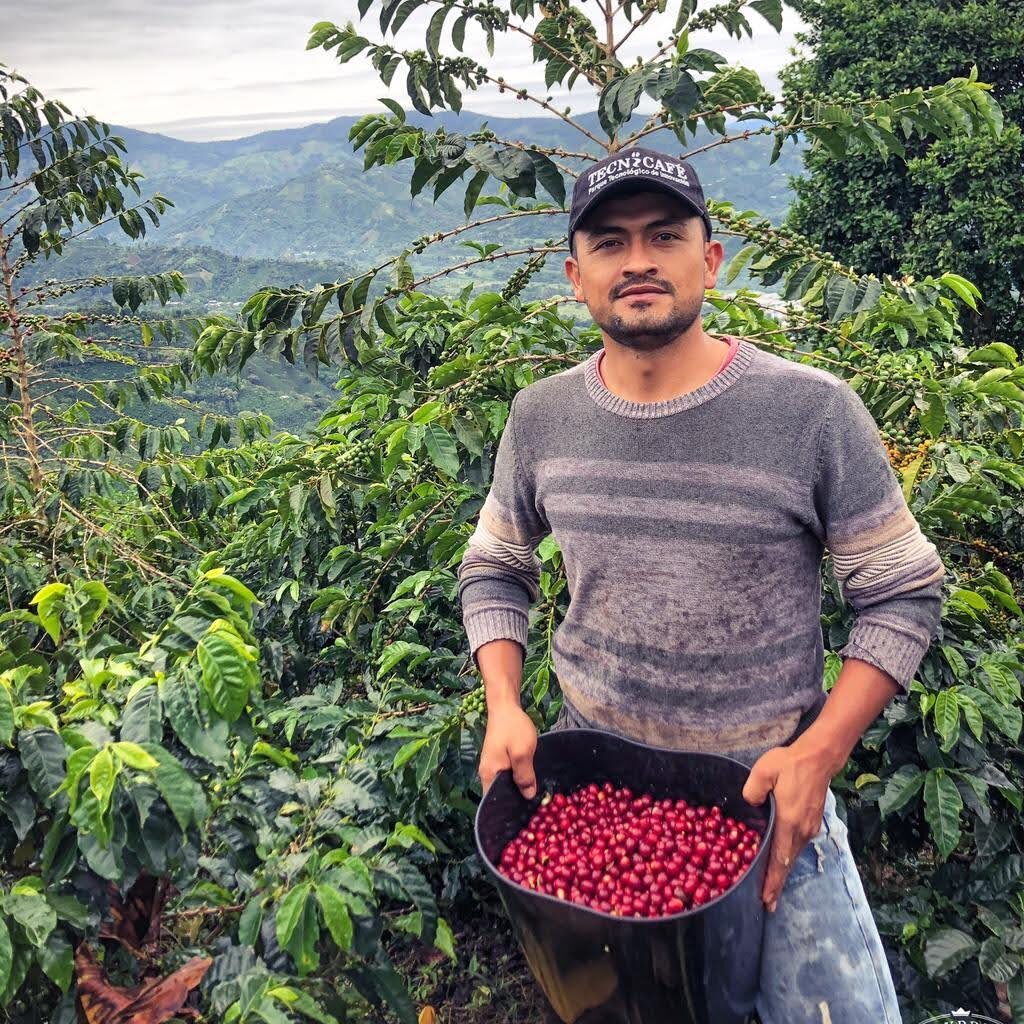
After Don Ricaurte tragically passed away in 2013, his youngest son, Oscar, left his career in the Navy to return home and protect his father’s legacy. Starting from zero, Oscar and his family set out to redefine how the world views coffee producers: not just as supply-chain steps, but as fully integrated, professional specialty coffee companies operating directly at origin.
“We wanted to prove that a farming family can build a serious, professional, and modern company directly at origin, while remaining true coffee producers.”
— Oscar Hernández, Founder & Managing Director
about the farm
Today, Nogales spans 43 hectares across three distinct farms.
Finca Nogales (Main Headquarters Processing stations & Milling station)
- Location: Vereda El Diamante, Pitalito
- Altitude: 1,750 – 1,950 m.a.s.l.
- Size: 27 Hectares
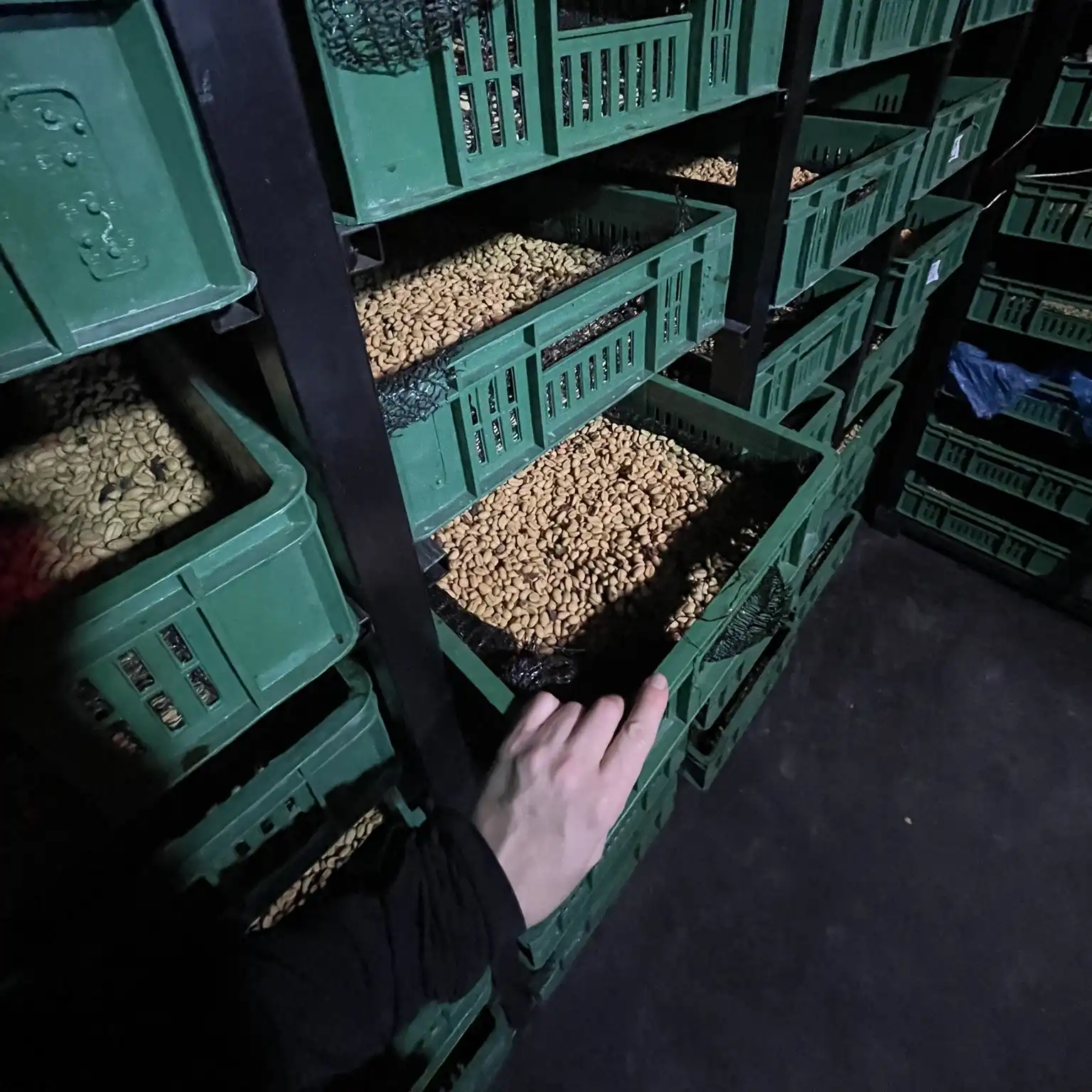
- Facilities: Wet & dry mills, Q-lab, fermentation room and lab, dark drying rooms, climate storage.
Finca Nakura (Regenerative Agriculture & Soil Research)
- Location: Bruselas (45 min from HQ)
- Altitude: 1,850 – 2,050 m.a.s.l.
- Size: 16 Hectares
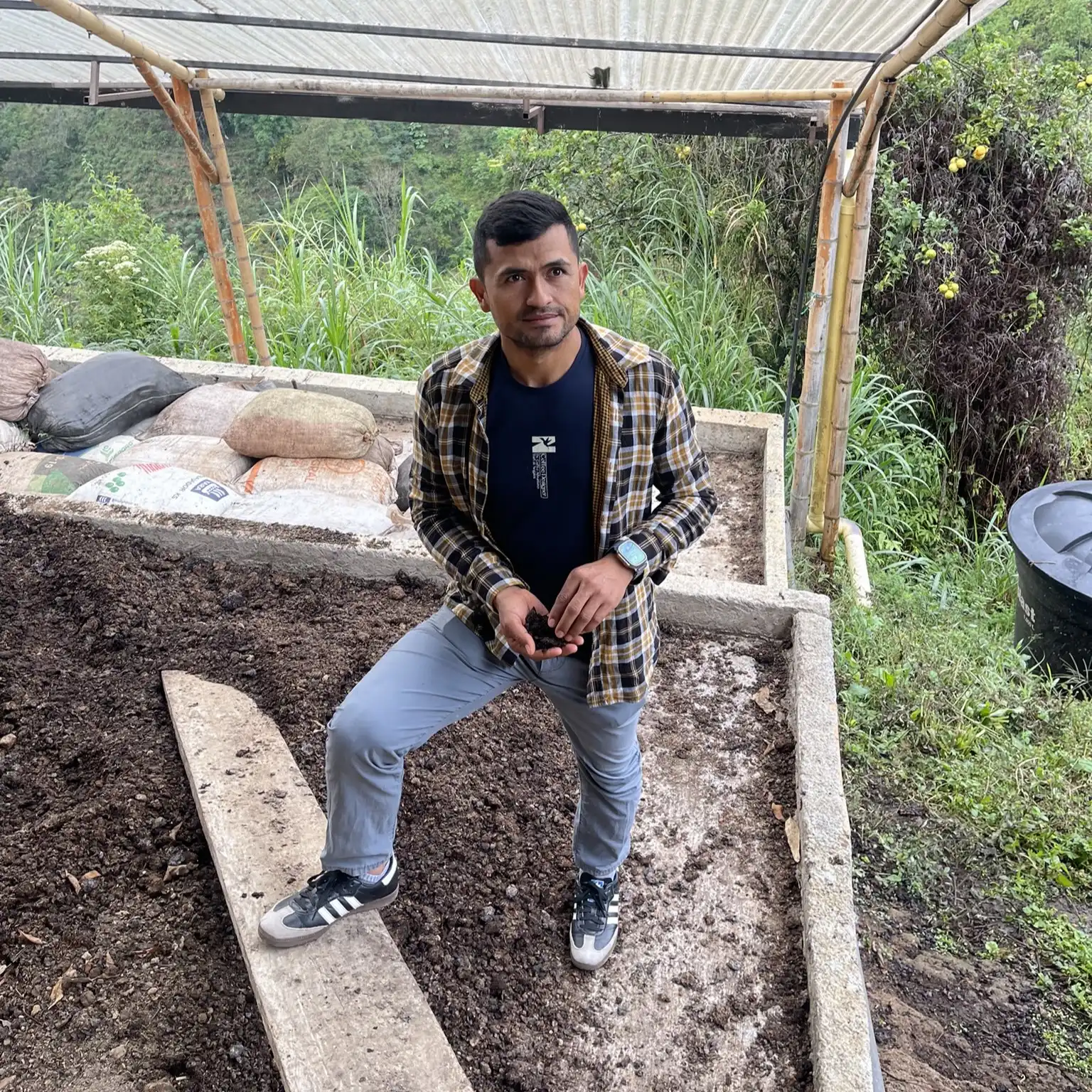
- Focus: Regenerative agriculture, organic soil nutrition, biodiversity, ecosystem balance.
Finca 3
- Location: San Agustín
- Altitude: 1,900 m.a.s.l.
- Size: . 4 Hectares
- Focus: Volume and varietals (Chiroso, Bourbon Pimienta)
About the coffee
Cultivated Varieties (18+)
Pink Bourbon • Geisha • Bourbon Pimienta • Chiroso • Java • SL28 • Sudan Rume • Caturra • Yellow Bourbon • Yellow Colombia • Orange Bourbon • Typica • Castillo and more
Processing, Portfolio & Vision
Great coffee starts with a healthy plant and deep technical knowledge of the land. Nogales prioritizes plant nutrition, soil microbiology, and balanced canopy shading to ensure coffee cherries reach maximum Brix levels before harvesting. By fully controlling every step at origin—from selective manual picking and controlled fermentations to dark drying and temperature-controlled storage —they preserve sweetness, clean acidity, and shelf-life stability for roasters worldwide.
Our Coffee Categories
Nogales structures their harvest into clear lines so roasters can effortlessly select the exact profile, processing intensity, and price point needed for their menu:
1. Nogales Collection (Clean, Terroir & Competition)
Their core foundation highlights pure varietal characteristics and highly controlled traditional processing methods (Washed and Natural).
- Retro: Clean, sweet, classic Colombian profiles showcasing regional terroir.
- Equilibrium: Extended fermentation lots balancing intense sweetness and bright acidity.
- Grand Reserve: Highest-scoring clean competition lots (88+ SCA) engineered for stage routines and ultra-premium menus.
2. Eccentric by Nogales (Flavor Innovation & Co-Fermentation)
Created for bold flavor exploration beyond traditional boundaries. Utilizing controlled co-fermentations with certified EU/US Food Grade, mostly Kosher, and mostly Vegan botanical additives (jasmine, rose, lavender, fruits).
Additives are applied like fine seasoning on a high-grade steak—never used to mask low-grade coffee. They exclusively use specialty-grade base lots to elevate natural aromatics into extraordinary sensory experiences.
3. Decafs by Nogales
Decaffeinated coffee is never treated as an afterthought or secondary product at Nogales. Processed directly on their processing station in Pitalito, Nogales decafs retain full cell structure and flavor integrity. Depending on post-decaffeination processing, these lots are integrated into the Nogales Collection or Eccentric by Nogales, maintaining high-scoring specialty standards.
A Sustainable Model for Origin
At its heart, Nogales represents a new way of working in the specialty coffee supply chain. By combining four generations of farming heritage with modern agricultural organization, they demonstrate that coffee producers can build a sustainable, world-class business right from the land.
Nogales Red fruit passion
Variety: Tabi
Process: mosto fermented washed
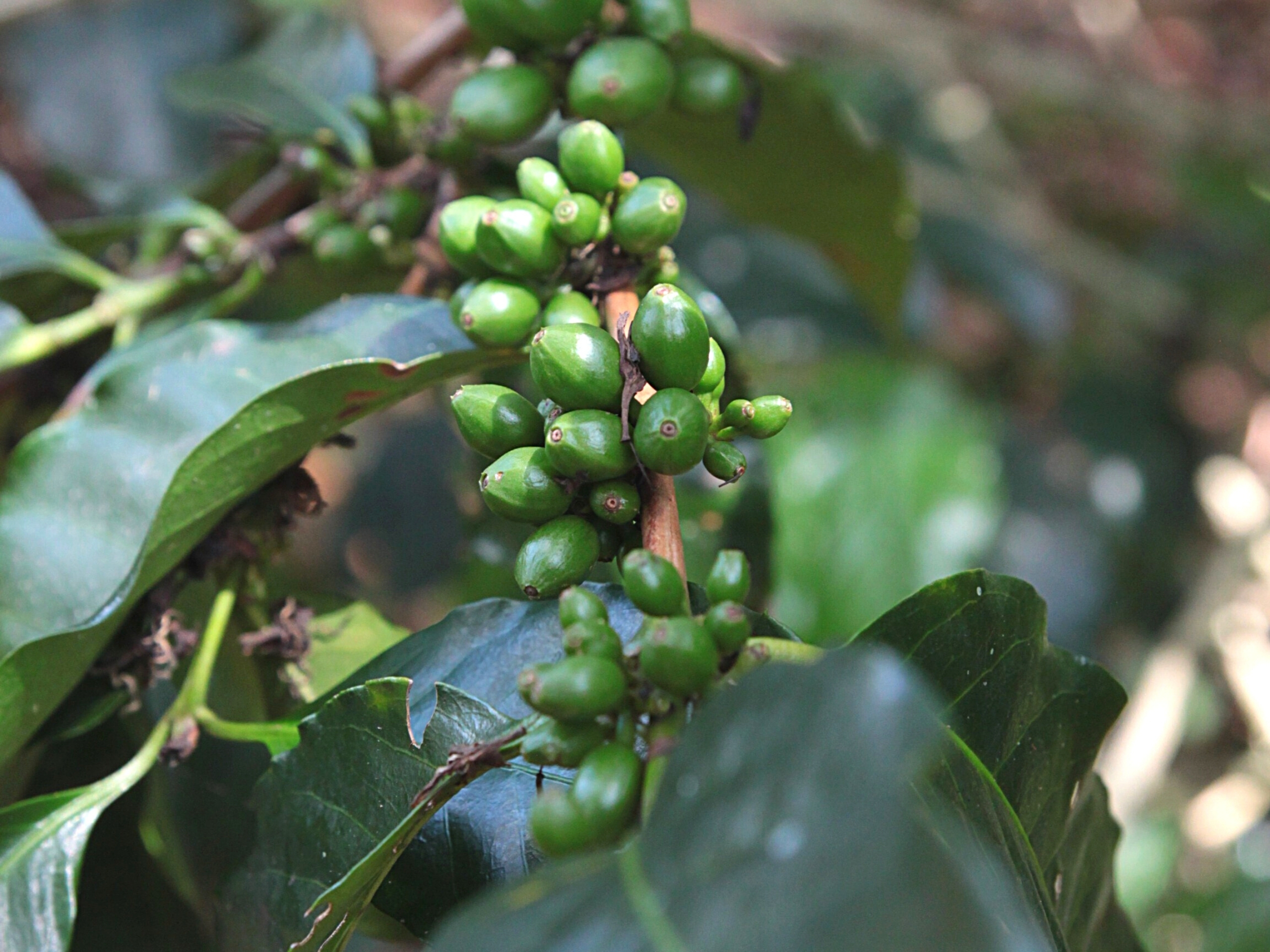
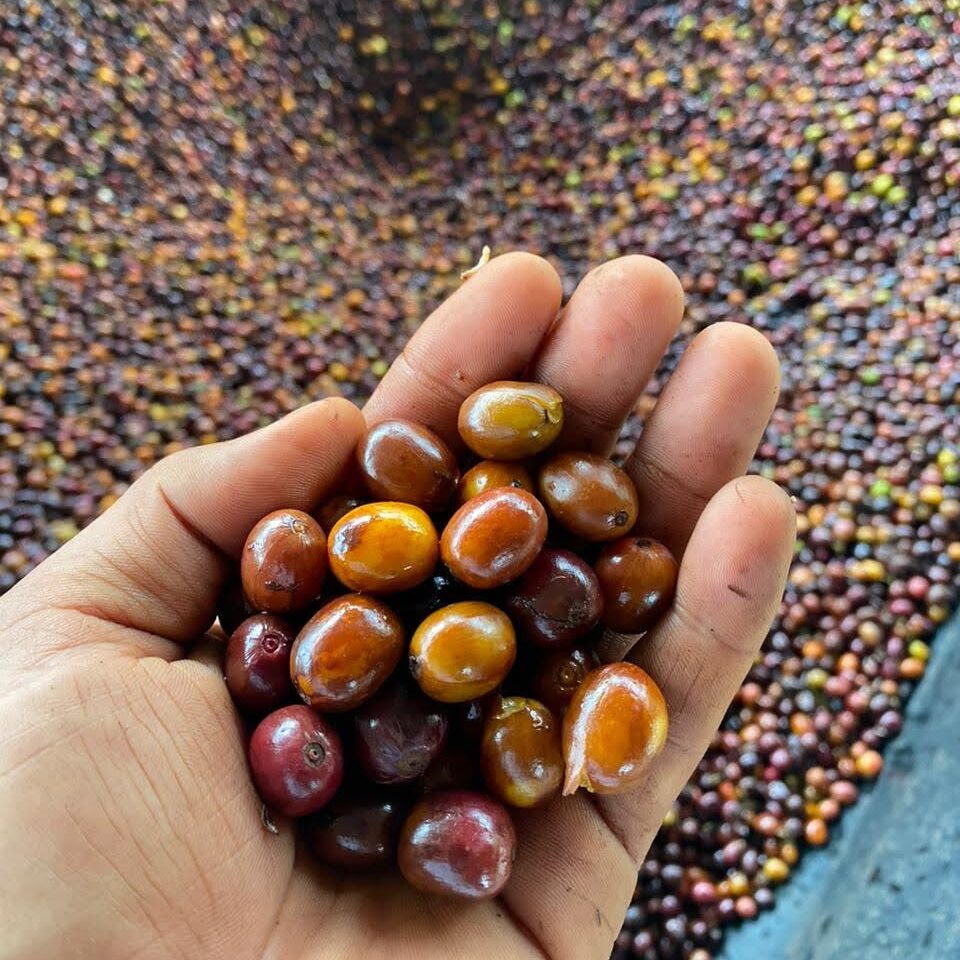
– Selection of ripe fruit. The process begins with the careful harvesting of only ripe coffee beans. This is the key to obtaining high quality coffee beans, as ripe fruit has optimal flavour and aroma.
– Cleaning and disinfecting with purified water: The harvested coffee beans are thoroughly cleaned and disinfected with treated water. This helps to eliminate impurities and unwanted micro-organisms.
– Density sorting, floating: coffee beans are immersed in water and sorted according to density. Higher density beans tend to sink, while lower density beans float. This helps to separate the good beans from the defective ones.
– Thermal shock: The selected beans are subjected to a thermal shock of 80 °C water for 60 seconds, followed by rapid cooling in cold water of 15 degrees for 3 minutes. This process breaks down the sugars and pasteurises the beans, which contributes to the final taste of the coffee.
– Removing the skins in a wet mill and adding the mosto: the coffee beans are de-pulped from their skins and put into fermentation barrels. To these is added the pressed juice obtained by pressing the skins of the coffee cherries themselves, which contains a large amount of natural sugars – the so-called ‘mosto’. This can improve the flavour profile and add sweet notes to the coffee.
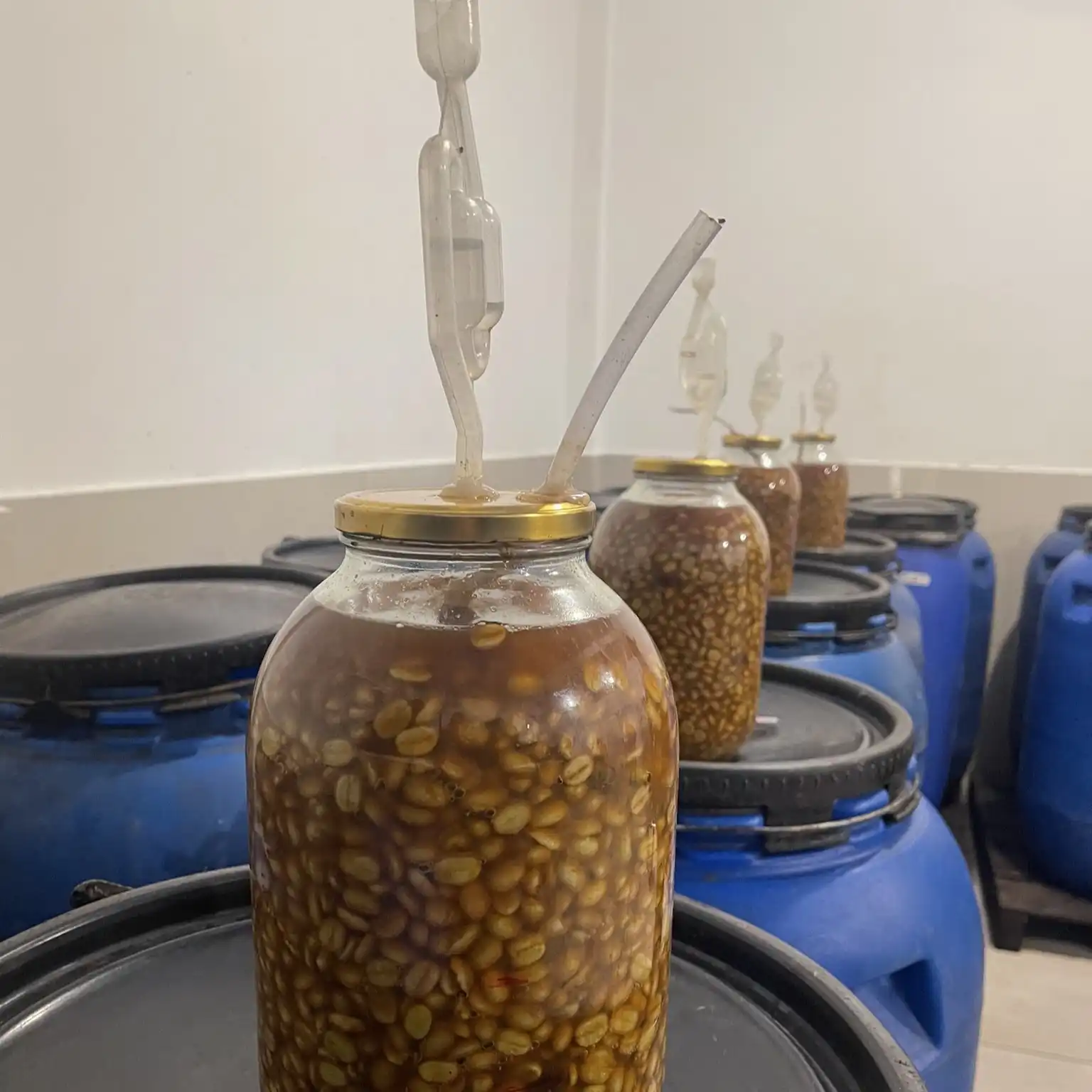
– Fermentation: The coffee beans undergo a fermentation process that lasts 120 hours. During this time, sugars are broken down, affecting the flavour and acidity of the coffee. Pre-fermenting agents are also added, similar to sourdough starter in bread, which can give the coffee unique characteristics.
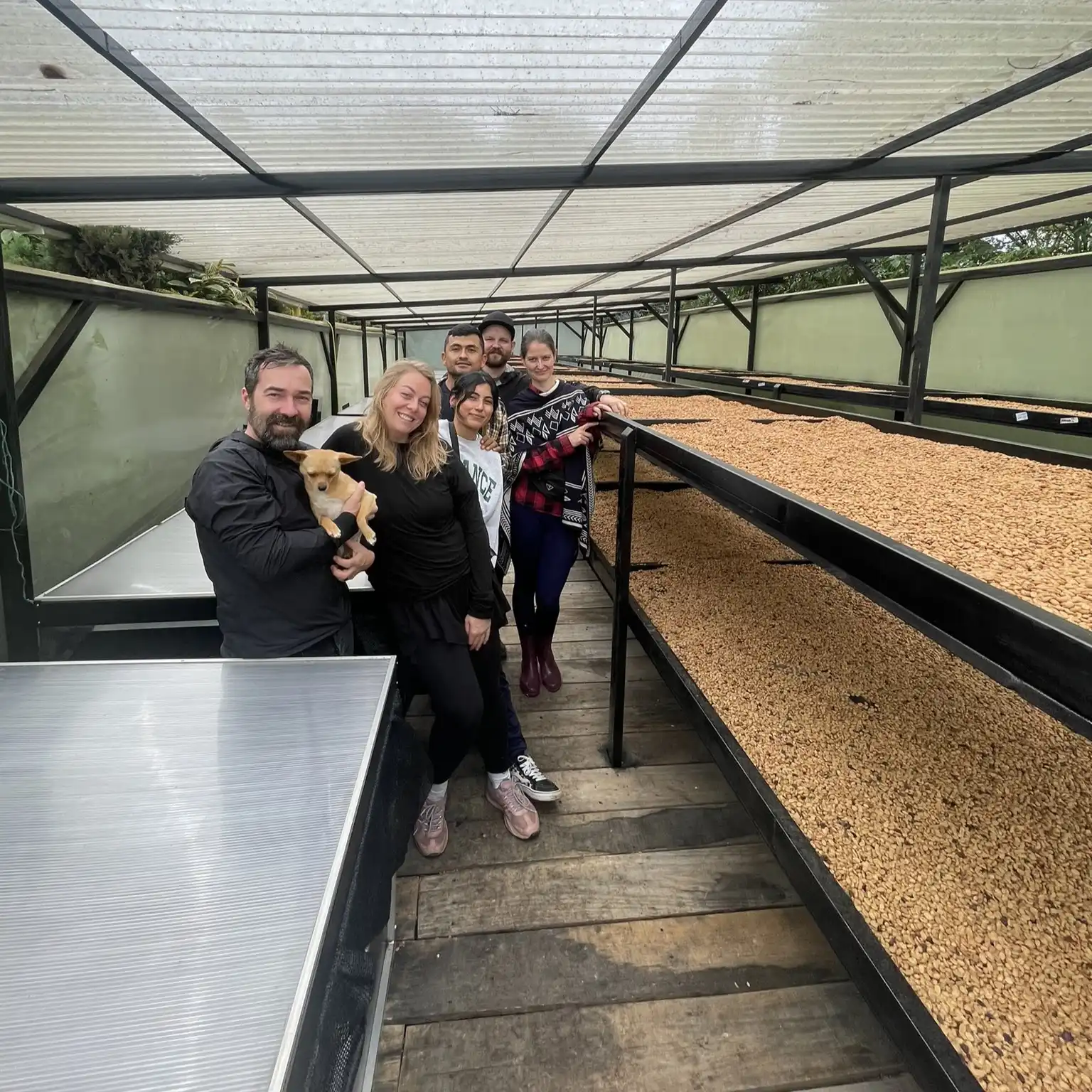
– Sun drying: Finally, the fermented coffee beans are dried in the sun for 15 days. This step is necessary to reduce the moisture content of the beans to a level suitable for long-term storage and to further develop the coffee’s flavour.
Nogales Virtuoso
Variety: Týpica
Process: mosto fermented washed
– Selection of ripe fruit. The process begins with the careful harvesting of only ripe coffee beans. This is the key to obtaining high quality coffee beans, as ripe fruit has optimal flavour and aroma.
– Cleaning and disinfecting with purified water: The harvested coffee beans are thoroughly cleaned and disinfected with treated water. This helps to eliminate impurities and unwanted micro-organisms.
– Density sorting, or floating: The coffee beans are immersed in water and sorted according to their density. Higher density beans tend to sink, while lower density beans float. This helps to separate the good beans from the defective ones.
– Thermal shock: The selected beans are subjected to a thermal shock of 80 °C water for 60 seconds, followed by rapid cooling in cold water of 15 degrees for 3 minutes. This process breaks down the sugars and pasteurises the beans, which contributes to the final taste of the coffee.
– Removing the skins in a wet mill and adding the mosto: the coffee beans are de-pulped from their skins and put into fermentation barrels. To these is added the pressed juice obtained by pressing the skins of the coffee cherries themselves, which contains a large amount of natural sugars – the so-called ‘mosto’. This can improve the flavour profile and add sweet notes to the coffee.
– Fermentation: The coffee beans undergo a fermentation process that lasts 120 hours. During this time, sugars are broken down, affecting the flavour and acidity of the coffee. Pre-fermenting agents are also added, similar to sourdough starter in bread, which can give the coffee unique characteristics.
– Sun drying: Finally, the fermented coffee beans are dried in the sun for 15 days. This step is necessary to reduce the moisture content of the beans to a level suitable for long-term storage and to further develop the coffee’s flavour.
Nogales Harmony
Variety: Bourbon Ají
Process: mosto fermented washed
– Selection of ripe fruit. The process begins with the careful harvesting of only ripe coffee beans. This is key to obtaining high quality coffee beans, as ripe fruit has optimal flavour and aroma.
– Cleaning and disinfection with treated water: The harvested coffee beans undergo a thorough cleaning and disinfection process using treated water. This helps to eliminate impurities and unwanted micro-organisms.
– Density sorting, so-called floating: the coffee beans are immersed in water and sorted by density. Higher density beans tend to sink, while lower density beans float. This helps to separate the good beans from the defective ones.
– Thermal shock: The selected beans are subjected to a thermal shock of 80 °C water for 20 seconds, followed by rapid cooling in cold water for 3 to 5 minutes. This process breaks down the sugars and pasteurises the beans, which contributes to the final taste of the coffee.
– Removing the skins in a wet mill and adding the mosto: the coffee beans are de-pulped from their skins and put into fermentation barrels. To these is added the pressed juice obtained by pressing the skins of the coffee cherries themselves, which contains a large amount of natural sugars – the so-called ‘mosto’. This can improve the flavour profile and add sweet notes to the coffee.
– Fermentation. The coffee cherries undergo a fermentation of 120 hours. During this time, sugars are broken down, which affects the coffee’s flavour and acidity. Also mentioned is the addition of pre-ferments, similar to sourdough starter in bread, which can add unique characteristics to the coffee.
– Sun drying: Finally, the fermented coffee beans are dried in the sun for 15 days. This step is necessary to reduce the moisture content of the beans to a level suitable for long-term storage and to further develop the coffee’s flavour.
Nogales Origins
Variety: Typica
Process: mosto fermented washed
-
Selective picking: Coffee pickers focus on harvesting only the ripe cherries from the coffee plant. This ensures that the coffee beans achieve the highest quality.
-
Cleaning: The harvested cherries undergo a cleaning and disinfection process using treated water.
-
Selection: The coffee beans are submerged in water, and due to their different densities, the ripe and defective beans float while the high-quality beans sink. This allows for a more precise selection.
-
Thermal shock: The cherries are bathed in 90 °C water for 60 seconds – our longest protocol – to pasteurise the coffee and release additional sugars for fermentation.
-
Depulping: Using a modified pulper, the cherries are dry-depulped to squeeze out and obtain all the juice from the coffee, which is then used in fermentation.
-
Fermentation: A 7-day fermentation in its own sugars, extracted from the coffee cherry skin during depulping, along with a ratio of 1 part pre-fermented coffee yeasts to 4 parts of this juice. These pre-fermented yeasts – microorganisms recovered from the coffee must, clarified and preserved using beans from the same variety – help drive a high-quality fermentation while preserving the terroir.
-
Drying: After depulping, the coffee undergoes drying in order to make full use of the juice extracted from the cherries during fermentation.
Nogales Decaf Typica
Variety: Typica
Process: mosto fermented decaf
-
Selective harvesting & flotation: Ripe coffee cherries are carefully selected and picked, then submerged in water to separate out the defective or unripe ones.
-
Fermentation & washing: The cherries undergo fermentation for 24 hours and are then thoroughly washed.
-
Drying & hulling: The beans are sun-dried on traditional raised beds and then hulled to remove the parchment layer. Only the resulting green coffee is used.
-
Addition of natural solvent: A natural solvent (must), derived from the coffee pulp or husk, is added and the beans are left to soak for 24 hours.
-
Coffee washing: After immersion, the beans are carefully washed to remove any remaining residues.
-
Drying: The washed coffee is placed in the drying area for approximately 5 days.
Nogales Decaf Caturra
Variety: Caturra
Process: mosto fermented decaf
-
Harvesting & flotation: Ripe coffee cherries are carefully selected and picked, then submerged in water to separate out the defective or unripe ones.
-
Fermentation & washing: The cherries undergo fermentation for 24 hours and are then thoroughly washed.
-
Drying & hulling: The beans are sun-dried on traditional raised beds and then hulled to remove the parchment layer. Only the resulting green coffee is used.
-
Addition of natural solvent: A natural solvent (must), derived from the coffee pulp or husk, is added and the beans are left to soak for 24 hours.
-
Coffee washing: After immersion, the beans are carefully washed to remove any remaining residues.
-
Drying: The washed coffee is placed in the drying area for approximately 5 days.
Nogales Essence N/W
Variety: Geisha
Process: mosto fermented W/N
-
Selective Picking: Coffee cherries are carefully harvested to ensure that at least 90% are fully ripe. This step is crucial to achieve high quality and a complex coffee flavor.
-
Floating – Density Sorting: The harvested cherries are submerged in water. Defective or unripe cherries float and are removed, while high-quality ripe cherries sink and proceed to the next step.
-
Depulping and Fermentation: The sorted cherries are depulped and fermented for 24 to 36 hours in plastic tanks. During fermentation, the cherries are regularly turned to ensure that the fermented juice evenly covers all beans and supports a consistent flavor profile.
-
Washing: After fermentation, the coffee beans are thoroughly washed to remove any remaining pulp and undesirable microorganisms.
-
Sun Drying: The coffee beans are dried on raised beds in an environment with controlled temperature and natural airflow. This process occurs with the whole cherries and continues until the coffee reaches the ideal moisture level for storage and export.
Nogales Mystic
Variety: Yellow Bourbon
Process: mosto fermented washed
-
Selective Picking: Coffee cherries are carefully harvested to ensure that at least 90% are fully ripe. This step is crucial to achieve high quality and a complex coffee flavor.
-
Floating – Density Sorting: The harvested cherries are submerged in water. Defective or unripe cherries float and are removed, while high-quality ripe cherries sink and proceed to the next step.
-
Depulping and Fermentation: The sorted cherries are depulped and fermented for 24 to 36 hours in plastic tanks. During fermentation, the cherries are regularly turned to ensure that the fermented juice evenly covers all beans and supports a consistent flavor profile.
-
Washing: After fermentation, the coffee beans are thoroughly washed to remove any remaining pulp and undesirable microorganisms.
-
Sun Drying: The coffee beans are dried on raised beds in an environment with controlled temperature and natural airflow. This process occurs with the whole cherries and continues until the coffee reaches the ideal moisture level for storage and export.
Nogales Elixir
Variety: Orange Bourbon
Process: mosto fermented washed
-
Selective Picking: Coffee cherries are carefully harvested to ensure that at least 90% are fully ripe. This step is crucial to achieve high quality and a complex coffee flavor.
-
Floating – Density Sorting: The harvested cherries are submerged in water. Defective or unripe cherries float and are removed, while high-quality ripe cherries sink and proceed to the next step.
-
Depulping and Fermentation: The sorted cherries are depulped and fermented for 24 to 36 hours in plastic tanks. During fermentation, the cherries are regularly turned to ensure that the fermented juice evenly covers all beans and supports a consistent flavor profile.
-
Washing: After fermentation, the coffee beans are thoroughly washed to remove any remaining pulp and undesirable microorganisms.
-
Sun Drying: The coffee beans are dried on raised beds in an environment with controlled temperature and natural airflow. This process occurs with the whole cherries and continues until the coffee reaches the ideal moisture level for storage and export.
Nogales Geisha Natural GR
Edition Gran Reserve
Variety: Geisha
Process: mosto fermented natural
-
Selective Picking: Pickers carefully hand-select only the ripest, reddest cherries at their peak maturity. This step is key to ensuring quality and preserving the unique characteristics of each variety.
-
Grand Reserve Selective Picking: In addition to picking only ripe red cherries, Grand Reserve lots are made exclusively from pickings at the peak of the harvest when the cherries have the highest concentration of sugars and aromatics.
-
Cleaning & Disinfection: The harvested cherries are washed with treated water to remove dirt, surface impurities, or external contaminants.
-
Floating – Density Sorting: A flotation process separates the cherries. Unripe or defective cherries float and are removed, while dense, ripe cherries sink. This ensures precise selection.
-
Fermentation: Whole cherries are left to ferment for 24 hours, allowing their natural sugars to enhance and develop more complex aromatic profiles.
-
Drying in a Dark Room: After fermentation, beans are moved to a dark room with controlled temperature and humidity for slow, even drying. This method minimizes light exposure and prevents sudden temperature changes, preserving delicate aromatic compounds.
Nogales Bourbon Pimienta Natural GR
Edition Gran Reserve
Variety: Bourbon Pimienta
Process: mosto fermented natural
-
Selective Picking: Pickers carefully hand-select only the ripest, reddest cherries at their peak maturity. This step is key to ensuring quality and preserving the unique characteristics of each variety.
-
Grand Reserve Selective Picking: In addition to picking only ripe red cherries, Grand Reserve lots are made exclusively from pickings at the peak of the harvest when the cherries have the highest concentration of sugars and aromatics.
-
Cleaning & Disinfection: The harvested cherries are washed with treated water to remove dirt, surface impurities, or external contaminants.
-
Floating – Density Sorting: A flotation process separates the cherries. Unripe or defective cherries float and are removed, while dense, ripe cherries sink. This ensures precise selection.
-
Fermentation: Whole cherries are left to ferment for 24 hours, allowing their natural sugars to enhance and develop more complex aromatic profiles.
-
Drying in a Dark Room: After fermentation, beans are moved to a dark room with controlled temperature and humidity for slow, even drying. This method minimizes light exposure and prevents sudden temperature changes, preserving delicate aromatic compounds.
Nogales Chocoberry N/W
Variety: Pink Bourbon
Process: mosto fermented N/W
-
Selective Picking: Pickers focus on harvesting only the ripe coffee cherries. This ensures that the coffee beans achieve the highest quality.
-
Cleaning: The harvested cherries undergo a cleaning and disinfection process using treated water to remove dirt and unwanted microorganisms.
-
Floating – Density Sorting: The coffee beans are submerged in water. Unripe or defective beans float while high-quality beans sink, allowing a more precise selection.
-
Thermal Shock: Cherries are briefly submerged in 90°C water for 60 seconds. This pasteurizes the coffee and releases sugars for fermentation.
-
Depulping: Cherries are depulped dry in a modified depulper to extract all the juice, which is used in fermentation.
-
Fermentation: Beans ferment for seven days in their own sugars released during depulping. A ratio of one part pre-fermented coffee yeasts to four parts of this juice is added. These yeasts—microorganisms recovered from the coffee must, clarified and preserved using beans from the same variety—support high-quality fermentation while preserving the terroir.
-
Storage / Drying: After fermentation, the coffee beans are spread under the sun to dry for 15 days.
Nogales Crimson W/N
Variety: Java
Process: mosto fermented washed
- Selective Picking: Pickers focus only on harvesting ripe coffee cherries, making sure the cherries reach their full flavor and quality potential.
- Cleaning: The harvested cherries are washed with treated water to remove dirt and surface impurities, ensuring clean conditions for processing.
- Selection – Floating: The cherries are submerged in water to separate them by density. The denser ones sink, while the lighter ones—often defective or unripe—float. This step helps improve the quality of the lot before fermentation.
- Thermal Fusion: The cherries are briefly submerged in water at 80 °C for just 20 seconds—our shortest protocol. This pasteurizes the coffee and helps release extra sugars that fuel the fermentation.
- Depulping: We use a modified pulper that squeezes out and extracts all the juice from the cherry skin, which is then used in the fermentation process.
- Fermentation: The beans ferment for five days in their own sugars extracted during pulping, along with a small amount of pre-fermented yeast—microorganisms recovered from the coffee must, clarified and preserved using beans from the same variety. This method boosts fermentation quality while preserving the coffee’s terroir.
- Drying: The beans are spread out on raised beds and dried under the sun for 15 days, allowing for a slow, even dehydration until they reach the ideal moisture level for storage.
Process: mosto fermented natural
- Selective Picking: Pickers focus only on harvesting ripe coffee cherries, making sure the cherries reach their full flavor and quality potential.
- Cleaning: The harvested cherries are washed with treated water to remove dirt and surface impurities, ensuring clean conditions for processing.
- Selection – Floating: The cherries are submerged in water to separate them by density. The denser ones sink, while the lighter ones—often defective or unripe—float. This step helps improve the quality of the lot before fermentation.
- Thermal Fusion: Cherry was bathed in 90C water for 60 seconds, our longest protocol, to pasteurize the coffee & release additional sugars for fermentation.
- Fermentation: The whole cherries are left to ferment with must for approximately 60 hours.
- Drying & Storage: Once fermentation is complete, the coffee beans are spread out under the sun to dry for a period of 15 days. This process is essential to reduce the moisture content of the beans to a suitable level for long-term storage.More about the processing of this coffee here.
Nogales Lumina W/N
Variety: Sudan Rume
Process: mosto fermented washed
- Selective Picking: Pickers focus only on harvesting ripe coffee cherries, making sure the cherries reach their full flavor and quality potential.
- Cleaning: The harvested cherries are washed with treated water to remove dirt and surface impurities, ensuring clean conditions for processing.
- Selection – Floating: The cherries are submerged in water to separate them by density. The denser ones sink, while the lighter ones—often defective or unripe—float. This step helps improve the quality of the lot before fermentation.
- Thermal Fusion: The cherries are briefly submerged in water at 80 °C for just 20 seconds—our shortest protocol. This pasteurizes the coffee and helps release extra sugars that fuel the fermentation.
- Depulping: We use a modified pulper that squeezes out and extracts all the juice from the cherry skin, which is then used in the fermentation process.
- Fermentation: The beans ferment for five days in their own sugars extracted during pulping, along with a small amount of pre-fermented yeast—microorganisms recovered from the coffee must, clarified and preserved using beans from the same variety. This method boosts fermentation quality while preserving the coffee’s terroir.
- Drying: The beans are spread out on raised beds and dried under the sun for 15 days, allowing for a slow, even dehydration until they reach the ideal moisture level for storage.
Process: mosto fermented natural
- Selective Picking: Pickers focus only on harvesting ripe coffee cherries, making sure the cherries reach their full flavor and quality potential.
- Cleaning: The harvested cherries are washed with treated water to remove dirt and surface impurities, ensuring clean conditions for processing.
- Selection – Floating: The cherries are submerged in water to separate them by density. The denser ones sink, while the lighter ones—often defective or unripe—float. This step helps improve the quality of the lot before fermentation.
- Thermal Fusion: Cherry was bathed in 90C water for 60 seconds, our longest protocol, to pasteurize the coffee & release additional sugars for fermentation.
- Fermentation: The whole cherries are left to ferment with must for approximately 60 hours.
- Drying & Storage: Once fermentation is complete, the coffee beans are spread out under the sun to dry for a period of 15 days. This process is essential to reduce the moisture content of the beans to a suitable level for long-term storage.More about the processing of this coffee here.
Nogales Cascara
Cascara Processing
The cascara processing begins with manual harvesting of ripe coffee cherries, with emphasis on optimal ripeness to ensure high-quality husks. After harvest, the cherries undergo manual selection, during which fruits with visible defects or unripe cherries are removed.
The selected cherries then undergo floating in water, which serves to remove light particles and ensure dense and healthy husks. Subsequently, a thermal shock is applied – the cherries are immersed in hot water at 80°C for 1 minute. This step aims to modify the cherry structure and create differentiated profiles during fermentation.
The cherries are then carefully depulped to separate the husk from the bean. The obtained husks are transferred to hermetically sealed containers (canecas), where anaerobic fermentation takes place without water and without oxygen access for 6 hours. The containers remain completely sealed, promoting controlled fermentation.
After fermentation is complete, the husks are transferred to a dark room, where they are dried for 4 days. This space has stable temperature conditions and low humidity, preventing thermal fluctuations that could affect the drying quality.