Ginimao

CountryIndia
RegionMallandur
FarmGinimao
Altitude1 150 m
Size of the farm70 ha

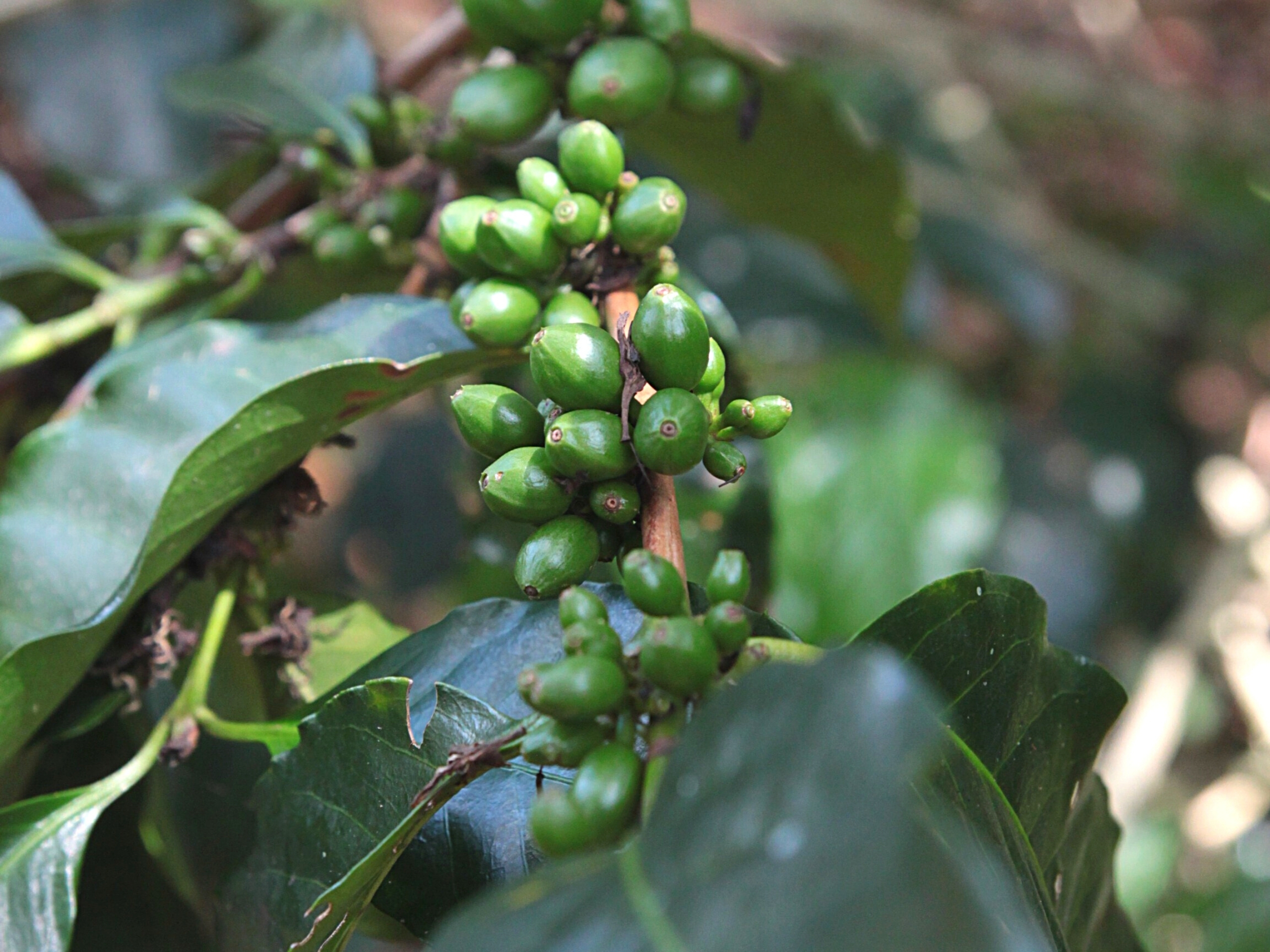
Ginimao is a farm where mostly arabica is grown and was founded in 1903. It is currently owned by Steven Rebello, who is a second generation coffee farmer. He comes from a family with over 65 years of coffee growing tradition. A passionate farmer himself, Steven Rebello has made his mark on the industry by pioneering and innovating agronomy, coffee quality, management practices and the use of technology. Some projects, such as the bioreactor wastewater treatment, were the first of their kind in the world.


The farm is located in 1150 meters above sea level. It falls under the badge of Bababudangiri, the home of coffee in India, and is known for producing Arabica of exceptional quality. The farm processes both washed and natural coffee, both Arabica and Robusta varieties.


Over the last 20 years, the estate has been extensively planted with selected coffee varieties after the seed plants were thoroughly assessed for disease resistance, cup quality and yield.


The plantation is located on the edge of the Bhadra Tiger Reserve and is home to all kinds of indigenous wildlife and exotic birds. The estate is an extended sanctuary for these beautiful birds, reptiles and mammals.


Traditional cultivation is combined with the use of modern technology, protection of the rich ecosystem, sustainable farming practices, care for the safety and well-being of the employees and last but not least, the cultivation of the highest quality coffee beans. This is guaranteed not only by internal aspects but also by good processing standards, which are the hallmarks of Ginimao Estate.

PROTECTION OF WILD ANIMALS

KaadKaapi is a collective in South India which keeps animals free to move and passage in the countryside and around farms.


It supports long-term sustainability by working with farmers in Chikmagalur and Coorg districts to implement wildlife-friendly cultivation methods, providing financial and advisory support, and ensuring access to premium international markets. This approach benefits both wildlife conservation and local farmers economically.


Traditional coffee agroforests in this region help preserve local biodiversity by providing alternative habitats for wildlife. However, market changes and rising cultivation costs are driving farmers towards practices that harm biodiversity.

About the coffee

All the varieties offered by the KaadKaapi farmers regardless of the location of their farm are 100% arabicas. But maybe to make it easier to understand the potential of those, not so well known cultivars, it is good to see what the letters and numbers in their names stand for. 


The lot from Ginimao Farm is the S795 variety.


S795 – One of the most popular Arabica selections released in India during the 1940s with high yields, bold beans, superior quality and relative tolerance to leaf rust. This selection was developed using ‘Kents’ Arabica, known for its high quality. Even today, the S795 is a favorite with the planters and is a widely cultivated Arabica variety. This is also known as ‘Jember’ in Indonesia.


IN-26-057 Ginimao 1

Fully ripe cherries are selectively hand-picked, hand sorted, and mechanically density sorted to remove underdeveloped, damaged, and low-density cherries, as well as other foreign matter. After pulping, the parchment coffee is transferred to sealed food-grade barrels and inoculated with mosto from a previous fermentation. Acting as a fermentation catalyst, the mosto introduces an active microbial community that helps guide and accelerate the fermentation process. The coffee undergoes 48 hours of anaerobic fermentation, after which it is washed to remove residual mucilage. The washed parchment is then dried on raised beds and/or patios for approximately 15 days using a combination of shade drying and polyhouse drying until the target moisture content is reached. The dried coffee is subsequently cupped, quality assessed, and segregated into individual lots before stabilization in storage. Following this, the coffee is machine hulled, colour sorted, and hand sorted to ensure consistency and defect control, and is finally packed in hermetic bags Grain Pro or similar.

IN-26-058 Ginimao 2

Fully ripe cherries are selectively hand-picked, hand sorted, and mechanically density sorted to remove underdeveloped, damaged, and low-density cherries, as well as other foreign matter. After pulping, the parchment coffee is transferred to sealed food-grade barrels and inoculated with mosto from a previous anoxic fermentation lot. Acting as a fermentation catalyst, the mosto introduces an active microbial community that helps guide and accelerate the fermentation process. The coffee undergoes 48 hours of anoxic fermentation, after which it is washed mechanically to remove residual mucilage. The washed parchment is then dried on raised beds and/or patios for approximately 15 days using a combination of shade drying and polyhouse drying until the target moisture content is reached. The dried coffee is subsequently cupped, quality assessed, and segregated into individual lots before stabilization in storage. Following this, the coffee is machine hulled, colour sorted, and hand garbled to ensure consistency and defect control, and is finally packed in hermetic liners within new Ijira jute bags for export.