Hulikere

CountryIndia
RegionChikkamagalur
FarmHulikere
Altitude1 370 m
Size of the farm200 akr

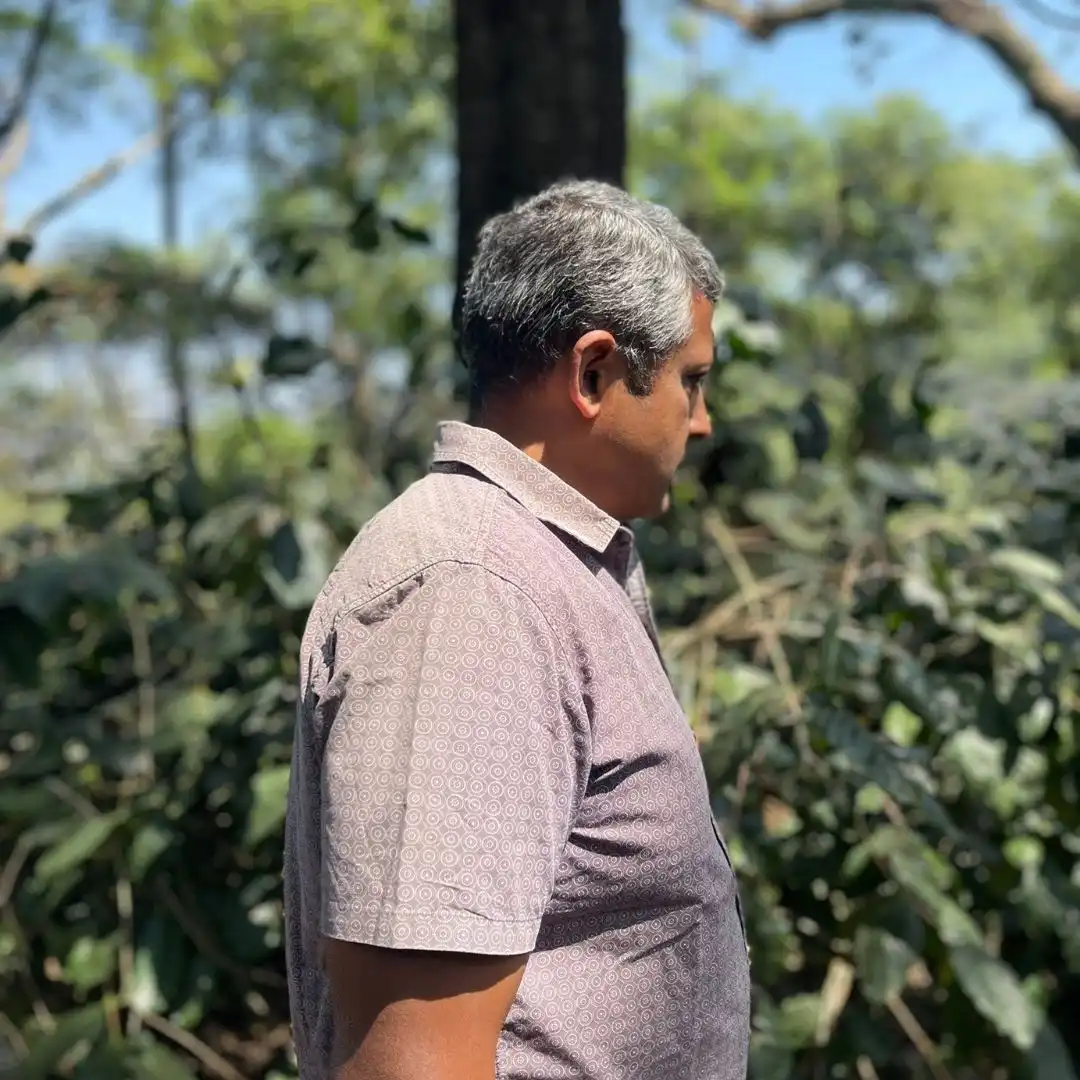
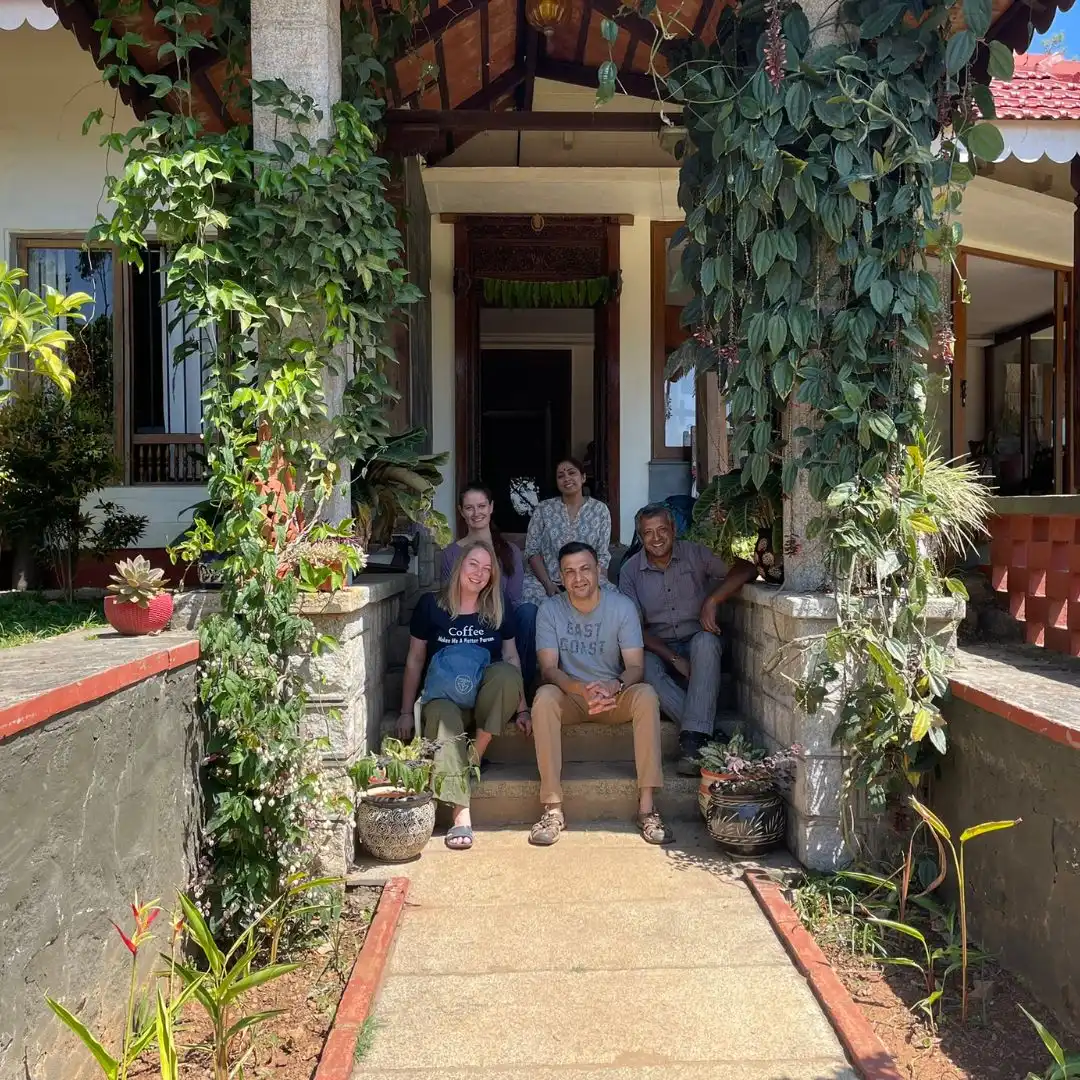
Farmer Shreedev and his wife Sushmita run three family coffee farms – Chinnenahalli, Hulikere and Woodway. The family has been growing coffee for three generations and Chinnenahalli Farm is their home.


Woodway Estate, a plantation established by the British in the 1880s, is one of the few coffee farms in the world to be certified Wildlife Friendly.


Farms are located in the Baba Budan Giri Hills growing area in the Western Ghats of India. The Western Ghats in India is one of the eight “most interesting” biodiversity hotspots in the world and a UNESCO World Heritage Site. This mountain chain stretches along the west coast of India. Many South Indian rivers originate in these mountains.


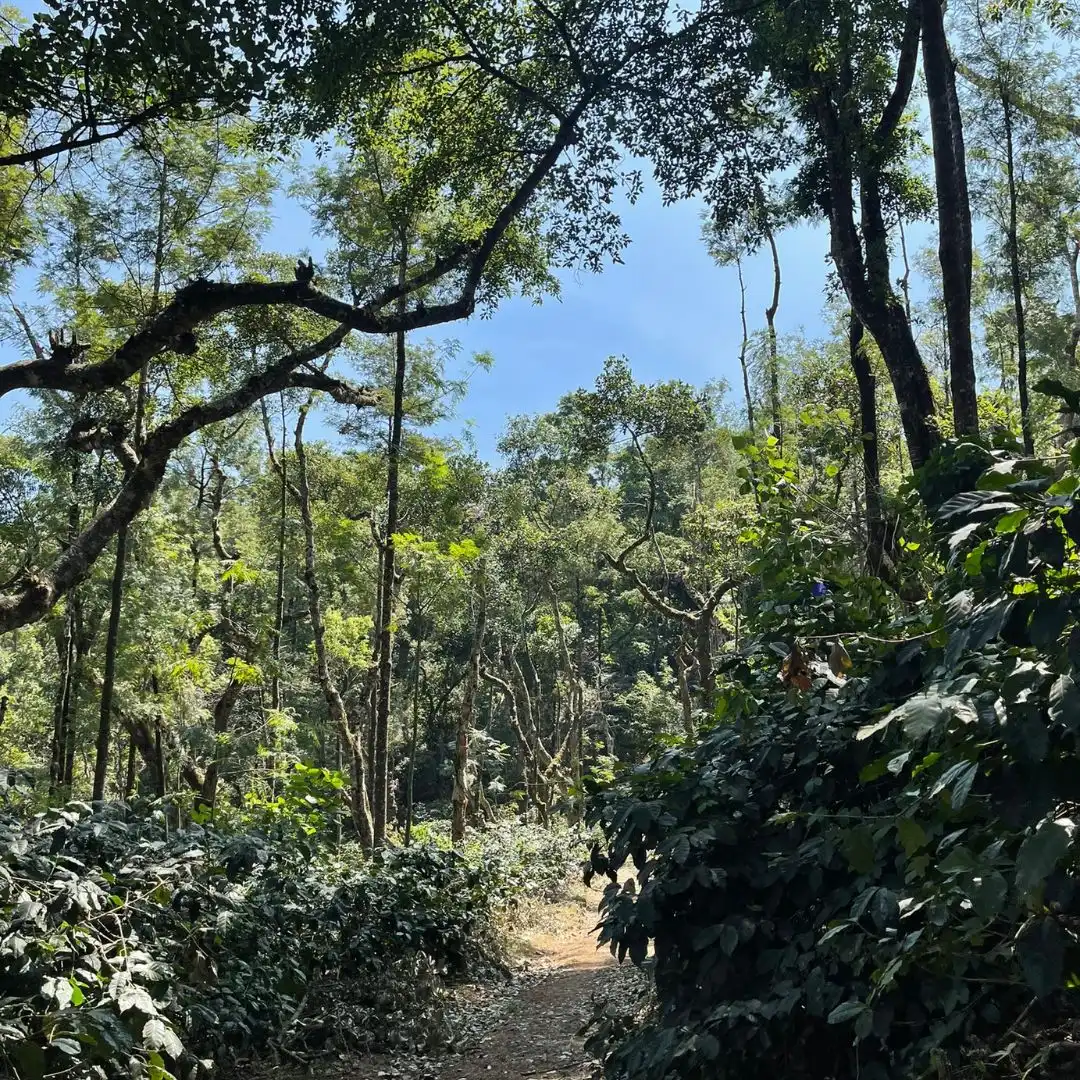
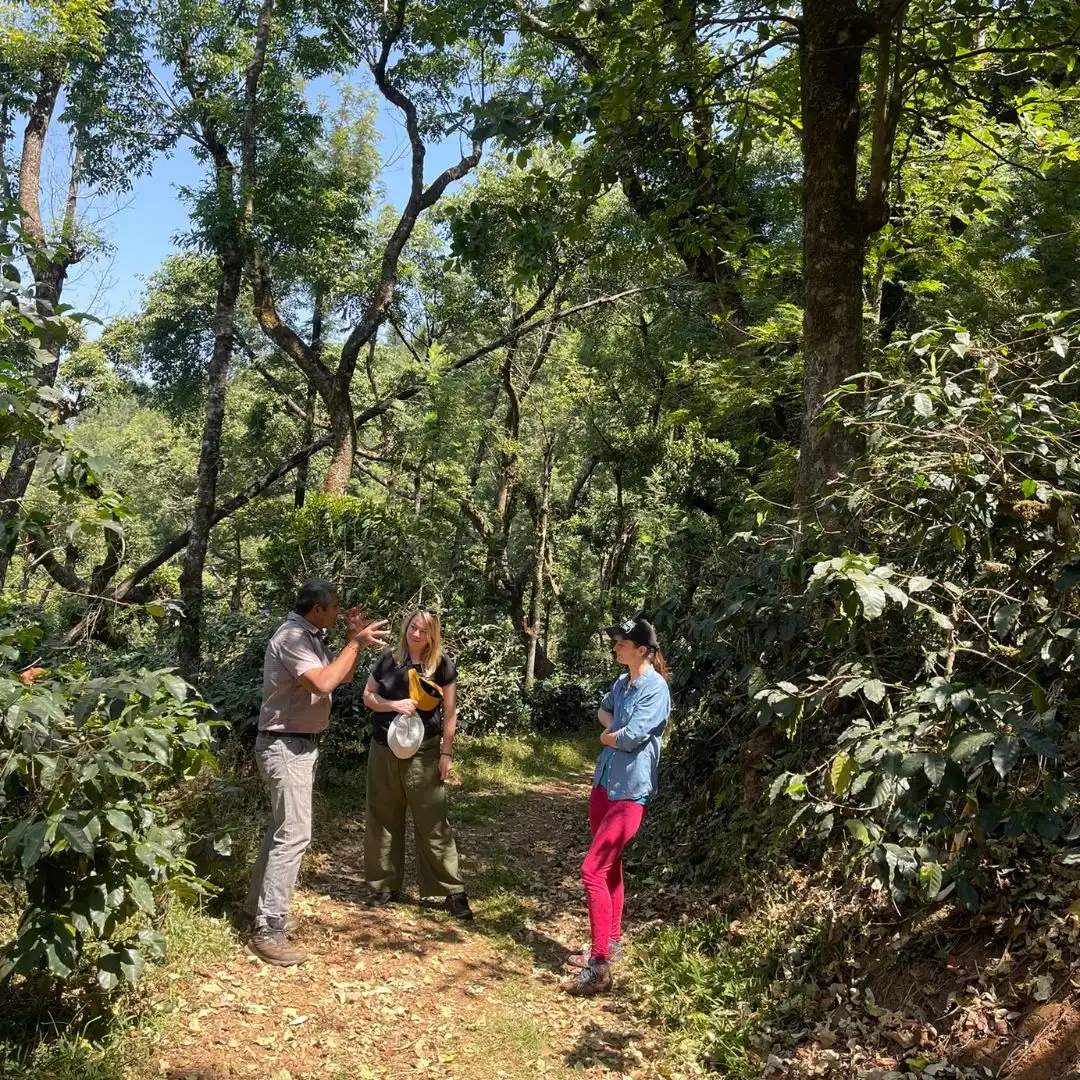
Coffee is grown on local farms in a traditional polycultural shady landscape with a high density and diversity of native and endemic shade tree species that support a wide variety of birds, butterflies and mammals. The plantations are home to endemic birds such as the Nilgiri woodpecker, Blyth’s starling and Malabar parrot, among others, as well as vulnerable mammals such as the sambar and flying squirrel, among many others.


The plantations are located about 5 km south of the Bhadra Tiger Reserve, which is an important national park and home to a number of wild animals including tiger, leopard, elephant and gaur.

PROTECTION OF WILD ANIMALS

KaadKaapi is a collective in South India which keeps animals free to move and passage in the countryside and around farms.


It supports long-term sustainability by working with farmers in Chikmagalur and Coorg districts to implement wildlife-friendly cultivation methods, providing financial and advisory support, and ensuring access to premium international markets. This approach benefits both wildlife conservation and local farmers economically.


Traditional coffee agroforests in this region help preserve local biodiversity by providing alternative habitats for wildlife. However, market changes and rising cultivation costs are driving farmers towards practices that harm biodiversity.

About the coffee

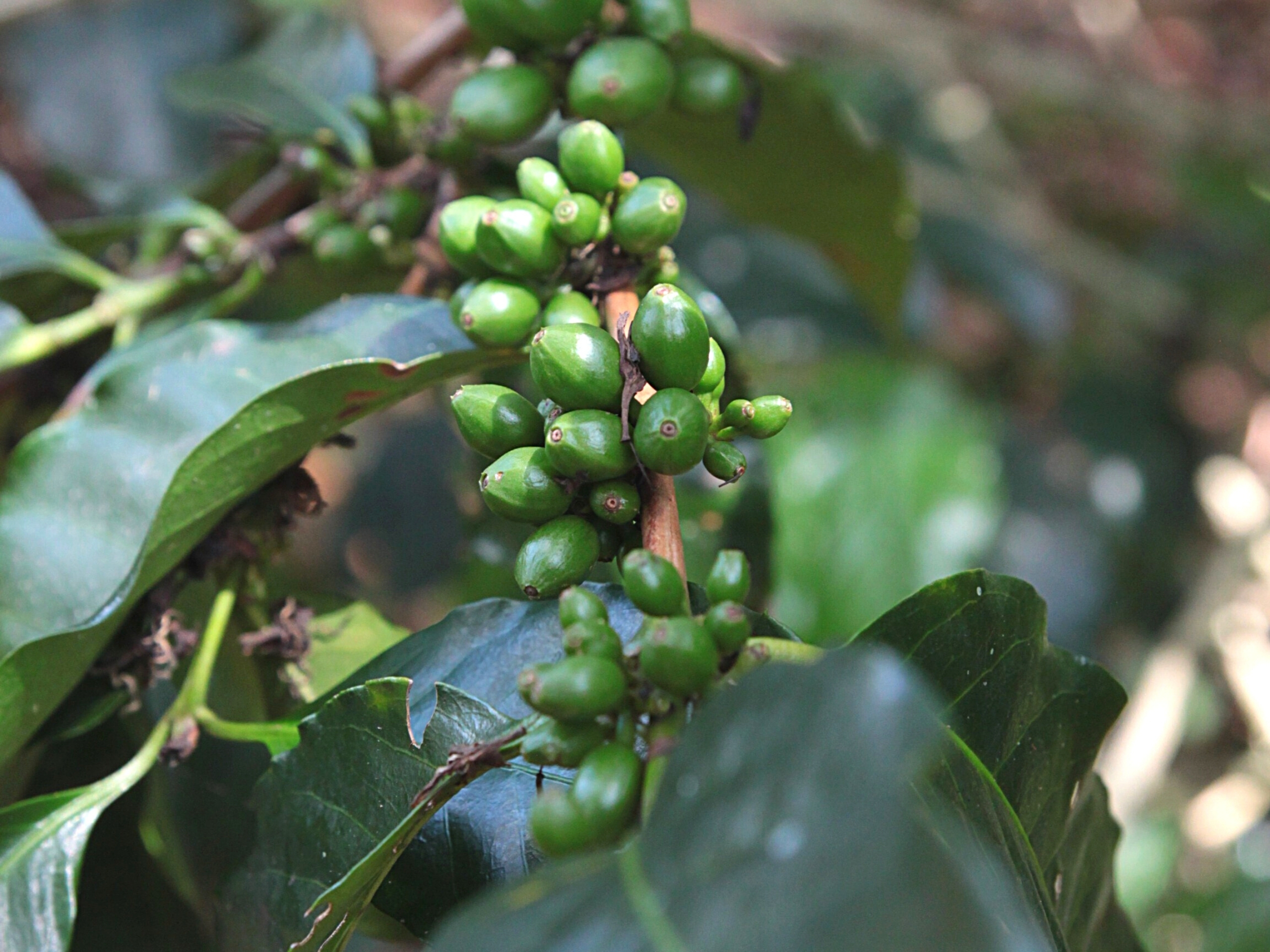
Our partner farms cultivate both traditional Indian Arabica varieties and cultivars that have been introduced to India from other coffee-growing regions around the world. Many of these varieties were developed through breeding programmes aimed at improving disease resistance, adapting plants to local growing conditions, or enhancing cup quality.

Among the most significant Indian varieties is S795, developed in the 1940s from breeding material introduced from Kenya. It remains one of India’s most widely cultivated Arabica varieties, valued for its reliability, adaptability, and well-balanced cup profile. Another important variety is SLN9, developed at the Coffee Research Station in Balehonnur as a cross between Ethiopian Tafarikela and Hybrido de Timor. Considered one of the newer Indian cultivars, it is recognised for its excellent cup quality. Chandragiri is another notable Indian variety, bred as a more disease-resistant alternative to Kent. Thanks to its high yield potential and quality, it has become increasingly common on Indian coffee farms in recent years.

Alongside these Indian varieties, many of our partner farms are also cultivating internationally recognised cultivars such as Geisha, Bourbon, Catuai, as well as other experimental varieties. The selection of cultivars varies between farms and evolves from harvest to harvest, reflecting each producer’s decisions and the ongoing development of Indian specialty coffee.


IN-26-052 Hulikere mosto N 2

Fully ripe cherries are selectively hand-picked, hand sorted, and density sorted in water to remove floaters and foreign matter. The selected cherries are transferred to food-grade barrels and inoculated with mosto derived from a previous anoxic fermentation batch and sealed. The mosto serves as a fermentation catalyst, introducing an active microbial community that accelerates and guides the fermentation process. The cherries undergo 48 hours of anoxic fermentation before being dried on raised beds and / or patio using a combination of shade drying and polyhouse drying. Once the desired moisture level is achieved, the dried cherries are cupped, quality assessed, and segregated into lots before being stabilized in storage. The coffee is then machine hulled, colour sorted, and hand sorted to ensure consistency and defect control, before being packed in hermetic Grain Pro bags.

IN-26-053 Hulikere N 3

Fully ripe cherries are selectively hand-picked, hand sorted, and density sorted in water to remove floaters and foreign matter. The selected cherries are transferred to food-grade barrels and inoculated with mosto derived from a previous anoxic fermentation batch and sealed. The mosto serves as a fermentation catalyst, introducing an active microbial community that accelerates and guides the fermentation process. The cherries undergo 48 hours of anoxic fermentation before being dried on raised beds and / or patio using a combination of shade drying and polyhouse drying. Once the desired moisture level is achieved, the dried cherries are cupped, quality assessed, and segregated into lots before being stabilized in storage. The coffee is then machine hulled, colour sorted, and hand sorted to ensure consistency and defect control, before being packed in hermetic Grain Pro bags.

IN-26-054 Hulikere W 1

Fully ripe cherries are selectively hand-picked, hand sorted, and mechanically density sorted to remove underdeveloped, damaged, and low-density cherries, as well as other foreign matter. After pulping, the parchment coffee is transferred to fermentation tanks, where it undergoes approximately 18 hours of aerobic fermentation. Following fermentation, the coffee is washed mechanically to remove residual mucilage. The washed parchment is then dried on raised beds and/or patios for approximately 15 days, using a combination of shade drying and polyhouse drying, until the target moisture content is achieved. Once dried, the coffee is cupped, quality assessed, and segregated into individual lots before being stabilized in storage. The coffee is then machine hulled, colour sorted, and hand sorted to ensure consistency and defect control, before being packed in hermetic Grain Pro bags.

IN-26-055 Hulikere anox N 2

Fully ripe cherries are selectively hand-picked, hand sorted, and density sorted in water to remove floaters and foreign matter. The selected cherries undergo 72 hours of anoxic fermentation in sealed food-grade barrels, followed by approximately 25 days of drying on raised beds and / or patio using a combination of shade drying and polyhouse drying. Once the desired moisture level is achieved, the dried cherries are cupped, quality assessed, and segregated into lots before being stabilized in storage. The coffee is then machine hulled, colour sorted, and hand sorted to ensure consistency and defect control, before being packed in hermetic Grain Pro bags.

IN-26-056 Hulikere mosto N 4

Fully ripe cherries are selectively hand-picked, hand sorted, and density sorted in water to remove floaters and foreign matter. The selected cherries are transferred to food-grade barrels and inoculated with mosto derived from a previous anoxic fermentation batch and sealed. The mosto serves as a fermentation catalyst, introducing an active microbial community that accelerates and guides the fermentation process. The cherries undergo 48 hours of anoxic fermentation before being dried on raised beds and / or patio using a combination of shade drying and polyhouse drying. Once the desired moisture level is achieved, the dried cherries are cupped, quality assessed, and segregated into lots before being stabilized in storage. The coffee is then machine hulled, colour sorted, and hand sorted to ensure consistency and defect control, before being packed in hermetic Grain Pro bags.