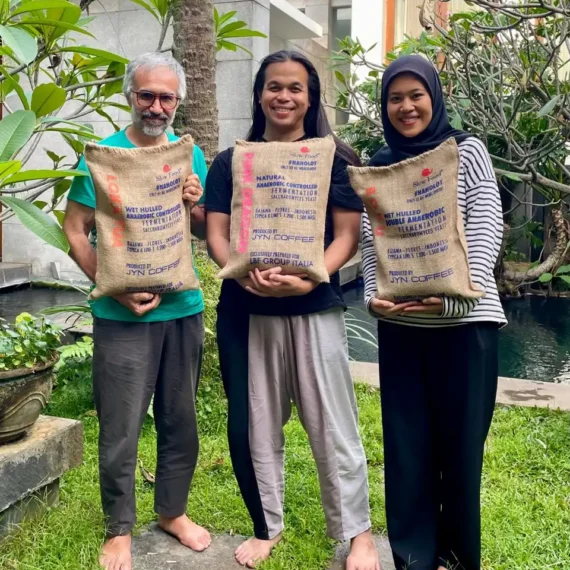
There are few fermentation experimenters in this part of Oaxaca, and Gildo is no exception. He processes coffee in the traditional washed or semi-washed way. This makes his coffee incredibly pure in flavor. Mexican coffees tend to go for red orange, grapefruit and honey and Gildo encourages exactly these flavors in his coffee.


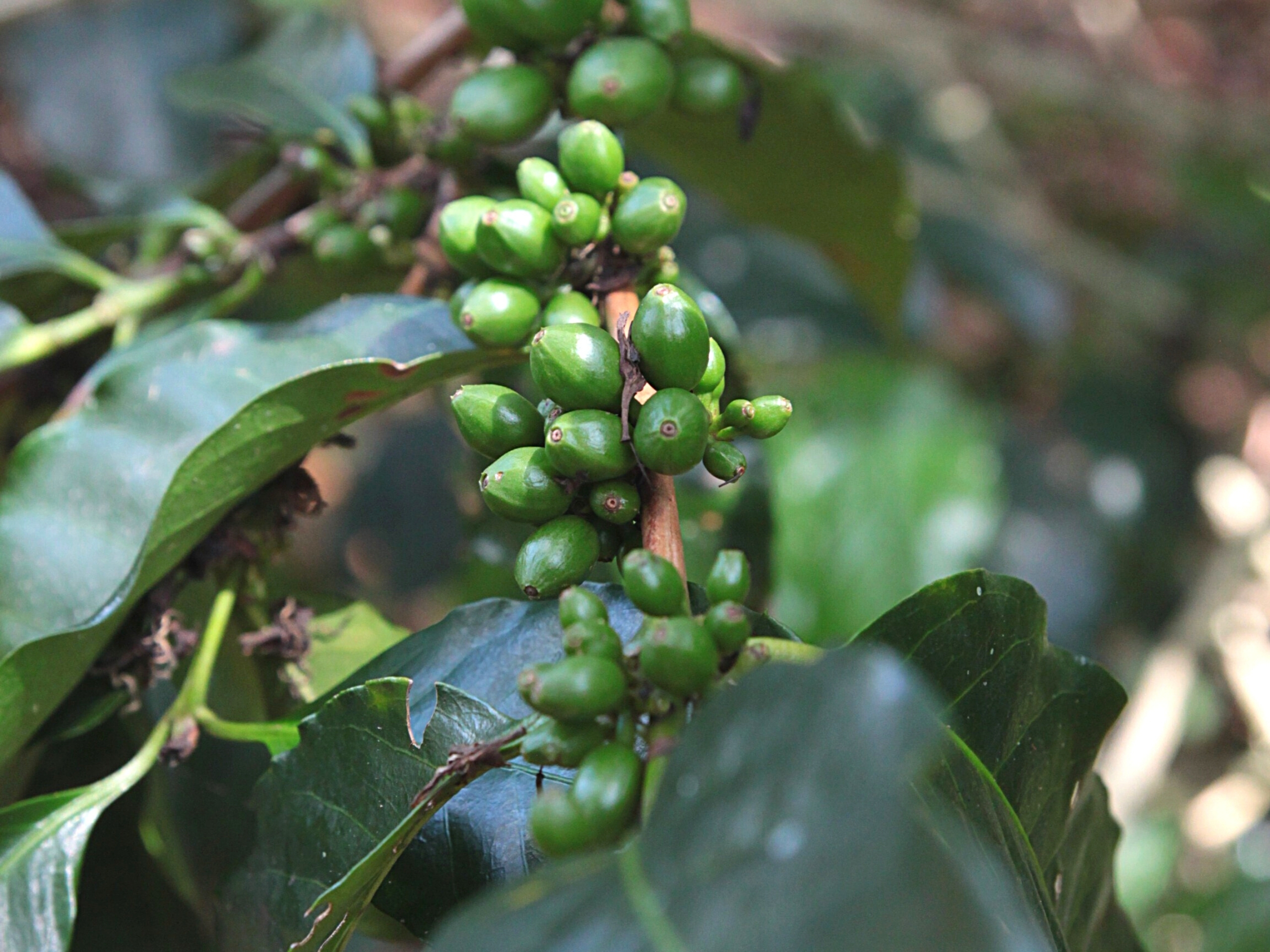
Hermenegildo García Pérez


CountryMexico
RegionMixteca, Oaxaca
FarmZaragoza Itundujia
Altitude1 350 m
Size of the farm3 ha
Hermenegildo, or as his friends call him Gildo, is a family dad whose life has been accompanied by coffee since birth. He represents the third generation of farmers in his family and represents it very well. In fact, Gildo has managed to group together a few farmers from the Yucuhuti and Mixteca area, about 2 hours away from the town of Tlaxiaco in the state of Oaxaca, where the farmers, mostly indigenous to these areas, grow their coffee at their own pace and style. Gildo has been training farmers in coffee growing and processing, processing beans from these areas from different farming families, grading, and has an excellent coffee roastery that offers local coffee, among other things.
His own family farm is is located in the settlement of Mixteca, very far from the city and without any connection. There are indigenous people who speak their own language, Mixteca. The small farms are scattered in the surrounding hills and it is more like one big wilderness.
The Gildo groups producers from areas Mixteca and Yucuhiti has small farms of no more than 2.5 hectares, each producer having their own mill and drying process. Gildo then checks the quality, advises the farmers on what to improve and how much to sell the coffee for, or brokers the sale directly.
About the coffee
“The unique combination of ecosystem and altitude makes the coffee unique, both in taste and aroma. The coffee is like bubblegum, hazelnut, red fruit, chocolate, medium to high acidity and a uniquely clean cup.”
MX-26-130
Nuu itee
Another lot in which the coffee varieties Typica and Bourbon were grown on one farm and processed on another. This time, the coffee was grown by farmer Meinardo Timoteo García García at an altitude of 1,650 m in the Mixteca subregion of Oaxaca.
It is the only lot sourced from Gildo’s father. It beautifully demonstrates how good soil and careful harvesting can translate into the final cup.
Meinardo first sorted the cherries by Brix level, which ranged from 18 to 23. He then used water to separate the lower-quality cherries and left the remaining ones to rest in a bag for 12 hours. This was followed by a 24-hour fermentation, after which the coffee was cleaned in a wet mill and moved to drying beds.
Drying takes approximately 13 days, after which the coffee rests in a GrainPro bag for at least two months. Gildo’s family then hand-sorted the beans and cleaned them in a small dry mill located right in their garden before export.
MX-26-132
Tlaxiaco N
Typica, Bourbon, and Marseillaisa varieties, processed using the natural method under Gildo’s supervision and grown by Rodolfo Feria at an altitude of 1,250 m.
Before processing, the coffee cherries are sorted by sugar content. Defective cherries are then removed using water, and the remaining cherries are left to rest for 12 hours. The following day, the coffee is sealed in airtight barrels for 72 hours of anaerobic fermentation. It is then dried in the sun for three days, followed by another 12 days in the shade.
As with the other lots, Gildo’s family hand-sorts the beans and cleans them in a small dry mill located right in their garden.
MX-26-131
Sofia Perez Geisha
Another lot where the coffee cherries were grown on one farm and processed on another. This time the coffee was grown by farmer Sofia Peréz Hernandez at an altitude of 1650 m in the Oaxaca Mixteca subregion. This Geisha is a beautiful example of the impact that quality soil and care during harvesting have on cultivation. Gilda’s mother first graded the coffee cherries by Brix level (18 to 23). Then, using water, the bad beans were selected and the coffee was left to rest in a bag for 12 hours. It was then fermented for 24 hours, cleaned in a wet mill and dried. In total, the coffee is dried for about 13 days and rests for at least 2 months in a GrainPro bag. The Gilda family then sorted the beans by hand and cleaned them in a small dry mill in their garden before exporting.
MX-25-118 Gildo
Yucuhiti
This lot is a blend of Týpica and Bourbon varieties, this coffee is processed in the classic washed way. The ripe cherries are harvested gradually and after further sorting are left to ferment for at least 24 hours. They are then washed and gradually dried in net dryers or African beds. The coffee was processed in the village of Miramar in the Yucuhiti region of the Mexican state of Oaxaca by the Gilda family. The coffee is sparkling and full of fruit and herbs. The profile goes into a sweet marmalade of yellow fruit, black tea, pecan and Lotus biscuits.